
Two years ago I booked a weekend in the Cotswolds by scrolling through a brochure; this month I booked a cabin in Snowdonia with a single tap on a mobile app that suggested the cheapest train tickets, a 15‑minute bike‑share route, and a pet‑friendly B&B that matched my budget of £120. The difference isn’t just speed – it’s the data behind every decision.
Dynamic Pricing Alerts Save the Wallet
Apps such as Skyscanner and Trainline now push real‑time price drops to your phone. I set a £30 ceiling for a return train to Brighton; the app pinged me the moment a seat fell to £27, and I booked within minutes. The alert window is typically 30‑45 minutes, giving enough time to act without the price rebounding.
For accommodation, platforms like Airbnb use machine‑learning to predict when a host will lower a nightly rate. I received a notification that a seaside cottage I’d viewed three days earlier dropped from £95 to £78 because the host saw a dip in bookings for that weekend. The savings added up to nearly £200 across two trips.
AI‑Powered Itinerary Builders Cut the Guesswork
When I typed “2‑day hike in the Lake District” into a new AI travel planner, it returned a three‑day schedule: Day 1 – train to Windermere (08:12, £22), check‑in at a hostel with a kitchen (£45/night), and a 4‑hour walk around Grasmere with a downloadable GPX file. Day 2 – a guided boat tour (online booking, £12) and a dinner reservation at a restaurant rated 4.5 stars on TripAdvisor. The plan even accounted for the 15‑minute walk from the hostel to the trailhead, something I would have missed on my own.
The tool pulls data from weather APIs, local event calendars, and public transport timetables, updating the itinerary if rain is forecasted for the afternoon. I received a push notification suggesting I swap the boat tour for a museum visit, saving me a soggy afternoon.
Social Integration Turns Solo Trips into Group Escapes
Platforms like Facebook Events and Discord servers now host “weekend getaway” channels where members post available cabins, car‑share slots, and last‑minute deals. Last month a friend posted a spare seat in a rental van heading to the Peak District; the cost was split £8 each, a fraction of the £25 bus fare.
These groups also share real‑time updates. During a rainstorm in York, a member posted a link to a pop‑up indoor market, and the group collectively shifted their itinerary, avoiding a closed museum. The crowd‑sourced flexibility is something no traditional travel agent could match.
Weekend Getaways: How Tech Is Transforming Short Break Planning
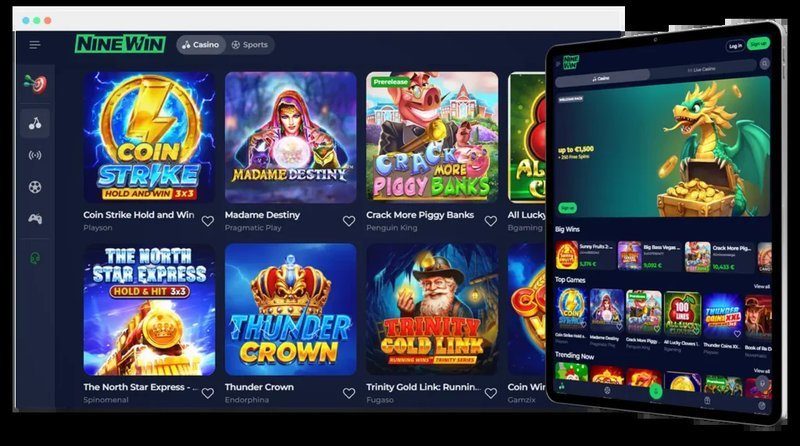
Even the world of online entertainment has begun to intersect with short‑break planning. While I was finalising a trip to the Isle of Wight, a friend mentioned the ninewin casino uk as a quick diversion for rainy evenings, reminding me that a few minutes of digital fun can fill the inevitable downtime on a weekend escape.
The Downside: Data Overload and Privacy Concerns
All this convenience comes with a price. The more apps I use, the more personal data they collect – location history, payment details, and even my sleep patterns to suggest “optimal” travel times. For a privacy‑conscious traveller, this means juggling multiple accounts or opting out of certain features, which can negate the time‑saving benefits.
Another hiccup is algorithmic bias. Some price‑alert services prioritize listings that pay higher commissions, pushing pricier hotels to the top of the feed. I once booked a boutique B&B that turned out to be £20 more expensive than a comparable option hidden deeper in the results.
Which Tool Wins for Your Next Weekend?
If you value speed and cost, stick to price‑alert apps for transport and accommodation – they deliver measurable savings with minimal effort. If you crave a curated experience, an AI itinerary builder will map out every detail, adjusting on the fly for weather and crowds. For social travellers, a dedicated weekend‑getaway Discord or Facebook group can turn a solo trip into a shared adventure, though you’ll need to stay vigilant about privacy settings.
In practice, I blend all three: a price‑alert for the train, an AI planner for the day‑by‑day schedule, and a group chat for last‑minute tweaks. The result? A weekend that feels both spontaneous and meticulously organised, all without breaking the bank.
