
The Allure of Risk and Reward
The intrinsic allure of risk and reward is a fundamental aspect of casino gaming psychology. From the moment players enter a casino, they are captivated by the enchanting atmosphere, filled with bright lights and the sounds of spinning wheels and ringing coins. This environment stimulates the brain’s reward system, triggering feelings of excitement and anticipation. The combination of uncertainty and potential for substantial winnings creates a psychological thrill that many find irresistible, especially when considering options like neosurf casino instant withdrawal that enhance the gaming experience. Players are often drawn to this environment, where the stakes are high and the potential for large payouts can lead to an exhilarating experience.
Studies show that the anticipation of winning releases dopamine, a neurotransmitter associated with pleasure, which can lead to a heightened sense of excitement. This response not only makes the gaming experience enjoyable but can also lead players to continue gambling in hopes of experiencing that rush again. The brain’s craving for dopamine can create a compelling cycle, driving players to increasingly seek out those high-stakes situations, often irrespective of the consequences. This phenomenon explains why some players might gamble for extended periods, chasing after that next big win, despite the odds being stacked against them.
Moreover, many games are designed to exploit this psychological principle. Slot machines, for instance, are engineered to provide frequent, albeit small wins, which can keep players engaged over long periods. This ‘near-miss’ phenomenon, where players come close to winning, can be especially compelling, leading to an increase in playtime as individuals chase that elusive jackpot. Understanding this psychological component is essential for both players and casinos alike, as it shapes behavior and influences decision-making patterns. The thrill of playing, combined with the potential for significant financial gain, creates an enticing environment that is hard to resist.
The Role of Cognitive Biases
Cognitive biases significantly shape how individuals perceive and engage with gambling. One common bias is the illusion of control, where players believe they can influence outcomes in games of chance, such as dice rolls or card shuffling. Even with clear evidence that these games are purely random, many gamblers feel that adopting specific strategies or rituals can sway luck in their favor. This erroneous belief can lead to increased gambling frequency, as individuals continue to test their perceived control over the game. For example, a player might believe that wearing a lucky shirt or performing a specific routine before rolling dice can lead to a favorable outcome.
Another prevalent cognitive bias in casino gaming is the gambler’s fallacy, which suggests that past events can affect future outcomes in random situations. For instance, a player might believe that after a series of losses in a game, a win is more likely to occur because they think the odds are now “due.” This misconception can lead to reckless betting behavior, as players may increase their wagers in hopes of recouping losses, ultimately leading to more significant financial harm. Such biases can trap players in a cycle of hope and despair, where they continuously chase losses rather than recognize the randomness of the games.
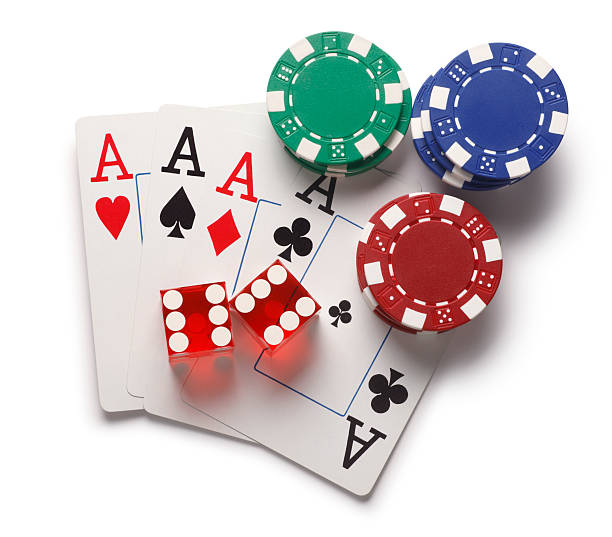
Additionally, the framing effect plays a role in gambling decisions. How information is presented can influence players’ choices significantly. For instance, presenting the odds of winning as a percentage rather than a ratio can affect how players perceive their chances, resulting in more aggressive betting strategies. Recognizing these cognitive biases is crucial for players to make informed decisions while gambling and to mitigate potential negative impacts on their finances and mental health. By understanding how biases can distort perceptions of risk and reward, players can develop a more balanced approach to gaming.
The Impact of Social Dynamics
Social dynamics are integral to the casino experience, influencing behavior and decision-making. Casinos often create communal spaces where players can engage with one another, fostering a sense of belonging. This social environment can amplify the excitement of gaming, as shared victories are celebrated, and losses are endured together. The camaraderie found in these settings can lead to increased gambling activity, as individuals are incentivized to join friends or family in the hopes of collective enjoyment and success. The thrill of winning can be magnified when experienced within a group, often leading to longer gaming sessions.
Moreover, social influences extend to the theoretical concept of social proof, where individuals look to others when making decisions. In a casino, the sight of other players winning can create a powerful urge to participate, leading new players to gamble under the assumption that if others are winning, they might too. This phenomenon reinforces the notion that luck is abundant, which can result in impulsive decisions based on emotions rather than rational thinking. The behavior of others can heavily influence a player’s gambling habits, sometimes leading to excessive risk-taking.
Lastly, the interaction with casino staff and fellow gamers can also affect gambling behaviors. Friendly dealers can create a welcoming atmosphere that encourages longer play, while the presence of seemingly successful players can create competitive impulses to bet more aggressively. Understanding how social dynamics shape the gambling experience is crucial for casinos aiming to maintain a vibrant environment while considering the psychological well-being of their patrons. The social interactions that occur within a casino can significantly impact individual gambling behavior, making it important to foster positive social connections.
The Psychological Effects of Gambling Addiction
The psychological effects of gambling addiction can be profound and devastating, affecting not just the individual but also their families and communities. Gambling addiction often stems from a combination of psychological factors, environmental influences, and coping mechanisms. Individuals might initially engage in gambling as a form of escape from stress or negative emotions, and over time, this behavior can evolve into compulsive gambling, where the individual feels unable to stop despite the adverse consequences. The initial thrill can quickly turn into a harmful cycle that is difficult to break.

The cycle of gambling addiction is often intertwined with other mental health issues, such as anxiety or depression. The financial strain and social isolation that can accompany gambling addiction exacerbate these conditions, leading to a vicious cycle of despair. Many individuals experience guilt, shame, and loss of self-esteem, which can further entrench them in their addictive behavior. Understanding these psychological effects is essential for effective intervention and support strategies for those affected. The emotional toll can be immense, leading to strained relationships and a decline in overall quality of life.
Interventions can include therapy, support groups, and self-exclusion programs that encourage individuals to seek help. Cognitive-behavioral therapy has proven effective in addressing the underlying thought patterns and behaviors contributing to gambling addiction. By fostering awareness of these psychological dynamics, individuals can begin to reclaim control over their lives and make more informed choices about gambling. Through support and education, it is possible to break the cycle of addiction and promote healthier lifestyles. Recovery is a journey that requires understanding, patience, and commitment to change.
Exploring Responsible Gaming Resources
Understanding the psychology behind casino gaming is essential for promoting responsible gambling practices. Many casinos are implementing initiatives and resources aimed at educating players about the risks associated with gambling and the importance of moderation. These resources often include informative materials, workshops, and access to mental health professionals for those who may be struggling with gambling-related issues. By prioritizing education, casinos can help players stay informed about their habits and make better choices.
Responsible gaming programs may also provide tools for self-assessment, helping players identify their gambling habits and offering strategies for setting limits on their playtime and expenditures. These resources are designed to empower individuals to take control of their gambling experiences and minimize the chances of developing problematic behaviors. By fostering a culture of responsible gaming, casinos can help mitigate the negative psychological impacts associated with excessive gambling. This proactive approach can enhance the overall experience for all patrons.
Furthermore, the rise of digital platforms has made access to responsible gaming resources more convenient. Online casinos often integrate features that allow players to set deposit limits, cooling-off periods, and self-exclusion options directly through their accounts. This accessibility is a critical step in promoting gaming behavior that prioritizes mental health and well-being, ensuring that the thrill of the game does not come at the cost of personal or financial stability. Emphasizing responsible gaming ensures that players can enjoy their experience without falling into harmful patterns.
